
PRIAevents organised the PRIA Environment Bulgaria Conference on April 19th 2022 – one of the most important platform of discussion on the most significant environmental issues in Bulgaria.
The Bulgarian soft drinks manufacturers and water bottling companies have envisioned a fully circular, bottle-to-bottle model for their packages, Jana Velichkova, executive director of the Bulgarian Soft Drinks Association (BSDA), announced at the PRIA Environment Bulgaria conference. The concept developed by BSDA aligns with the targets set by the European directive for collecting 90% of the PET beverage bottles (up to 3 liters) and reusing at least 30% recycled material in the new bottles by 2029 in the EU member states. It also supports the intentions stated by the Bulgarian Ministry of Environment and Waters for optimizing the process via the introduction of a deposit return system (DRS).
Over the past few years, many European governments embraced the DRS approach to reach the targets set. Deposit systems increase the collection rate of the packaging to 90% on average. As part of the obliged industry that generates the highest quantity of packages and is responsible for collecting, recovering, and reusing them in new production, the soft drinks manufacturers have a leading role in the DRS implementation.
The DRS is a system for collection whereby consumers who buy a product pay an additional small amount of money (a deposit) that gets reimbursed upon returning the empty packaging to a collection point. Code-based solutions, embedded in vending machines and other digital and technological systems, account for the redemption of the empty packaging.
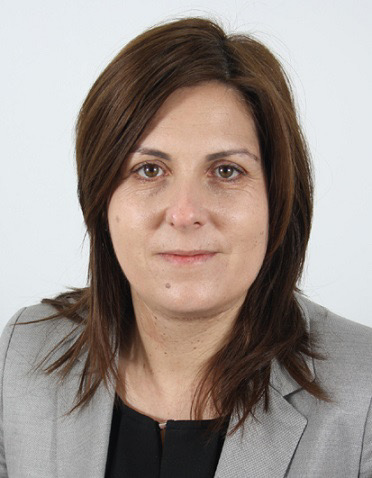 According to Jana Velichkova, the deposit system can significantly upgrade the current results achieved in packaging collection and recovery in Bulgaria. „Sustainable development is a recognized purpose of our members. Their responsibility to environment protection does not begin with the end of the packaging lifecycle but with its very start. Our members introduced many innovations, such as solutions that enable a significant decrease in the raw material used in the bottles. Our most used packaging – PET, is also most effectively collected and recycled. We innovated the eco-design to ease collection, and we continue to take an active part in the information campaigns. As leaders in building the current model, we are ready to lead the process moving on to the next level, i.e., to a system that will guarantee a minimum of 90% collection rate of all packaging up to 3 liters,“ she commented.
According to BSDA, to start working effectively, the deposit system in Bulgaria needs legislation that should support several minimum criteria for its introduction. They are aligned with EU standards and have resulted from the cooperation between the European associations UNESDA, Natural Mineral Waters, and Zero Waste Europe. In the first place, all citizens, and all retailers – small and large, must have guaranteed access to the system, i.e., easy admission to redemption points – vending machines for large retailers, and other digital solutions for small stores.
The legislative framework should also secure the consumer interest and ensure that the price of beverages produced remains affordable. For this purpose, the collected material should remain for recycling and reuse in the country. Manufacturers should have the priority right to buy it and use it in their new packaging. The circular model for packaging must generate added value for the economy and the people in the country.
 Ermis Panagiotopoulos, Sustainability Director at Natural Mineral Waters Europe, also pointed this out. „At European level, we as manufacturers have specific goals and legal obligations to collect and recycle beverage bottles. Everyone else participates voluntarily, but we are obliged to do it – therefore, priority access to the collected material is key to achieving the bottle-to-bottle model,” he commented.
According to the minimum criteria for the Bulgarian deposit system, it must cover all types and sizes of packaging for beverages up to three liters. It is advisable to include refillable beverage packaging from the outset, as this will generate 50% fewer CO2 emissions in the long run than the single-use packaging.
The administration of the deposit system in Bulgaria (as in other European countries) should be assigned to a specially set central organization (non-profit). The beverage manufacturers are shareholders in it. The organization does not use public funds but is financed only by its operations. At the same time, it applies mechanisms and accountability that make its activities completely transparent. Retailers – large chains and thousands of small retailers in the country – play a critical role in the redemption process and therefore need to join the management of the central organization. Recovery and recycling organizations also play a vital role in the process.
Bulgarian legislation should clearly outline the obligations of all obliged industry stakeholders and the measures to minimize potential fraud. BSDA insists that the Bulgarian DRS set and ensure the preservation of the jobs created along the entire value chain and the investments already made in sustainable packaging recycling in the country.
One of the countries showing some of the best results from the introduction of DRS is Norway, collecting almost 100% of the packages and reusing more than 80% of the recycled content in the new bottles. The managing director of the Norwegian central organization Infinitum AS, Kiel Olav A. Maldum, drew attention to the financial incentives in the legislation, which motivate almost all manufacturers to become part of the system. In Norway, even online stores take back empty bottles of beverages they have sold, and the deposit is exempt from VAT.
 Romania is one step ahead of Bulgaria in introducing a deposit system. During the conference, the Romanian Soft Drinks Association president, Alice Nichita, shared that the state adopted the relevant legislation after approximately two years of preparation and collaboration with the Ministry of Environment, Water, and Forestry. The law guarantees manufacturers priority access to the collected material. The association expects the licensing of the appointed central organization very soon. „For consumers, the system must be simple to use, transparent and have clear but accessible rules. Plastic, glass and metal are included in the Romanian system. We want an efficient and very well developed system. The system is set up and will work without any profit to any shareholder, the main purpose is to recycle beverage packaging.”
„We welcome the decision of the Bulgarian government and the Minister of Environment and Waters, Borislav Sandov, to include the advancement of the existing collection and recovery system for packages in their priorities. We are determined to do it together in the best way for the country. We are glad that all the stakeholders involved in analyzing and exploring the suitable DRS models support our vision. We expect to reach at least a 90% collection rate for all of our packages and fulfill our vision for fully circular packaging in the coming years,” said Jana Velichkova,” said Jana Velichkova.
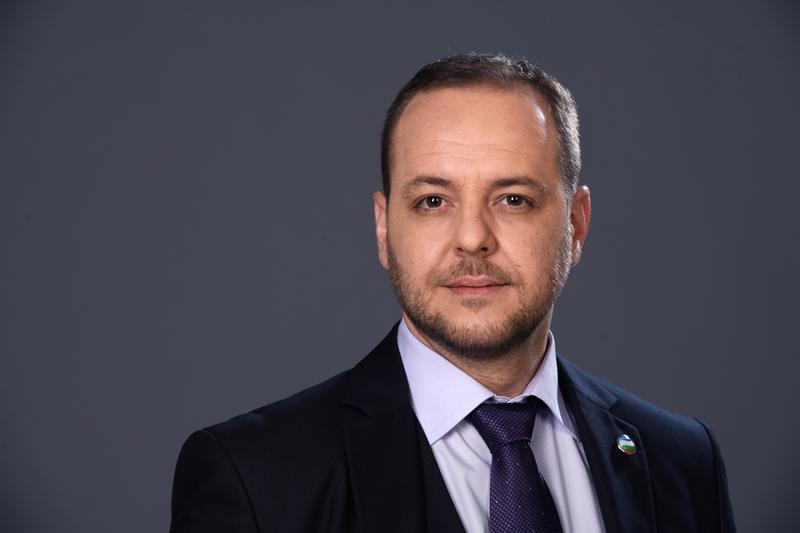 Borislav SANDOV – Deputy Prime Minister for Climate Policies and Minister of Environment and Water said: „We want to align ourselves with EU strategies and rules. We want to include the advancement of the existing collection and recovery system for packages. This year we are analyzing and discussing with all stakeholders in order to find optimal solutions to the problems we face. A main problem we are confused with is the one in which we want to increase the optimization of waste selection and educate the population. We want the percentage of recycling to increase and people to become aware of the importance of this action. Manufacturers help us with this when they use less packaging to pack their products. When it comes to plastic, especially plastic bottles, we want people to bring back used containers for recycling and reuse. ”
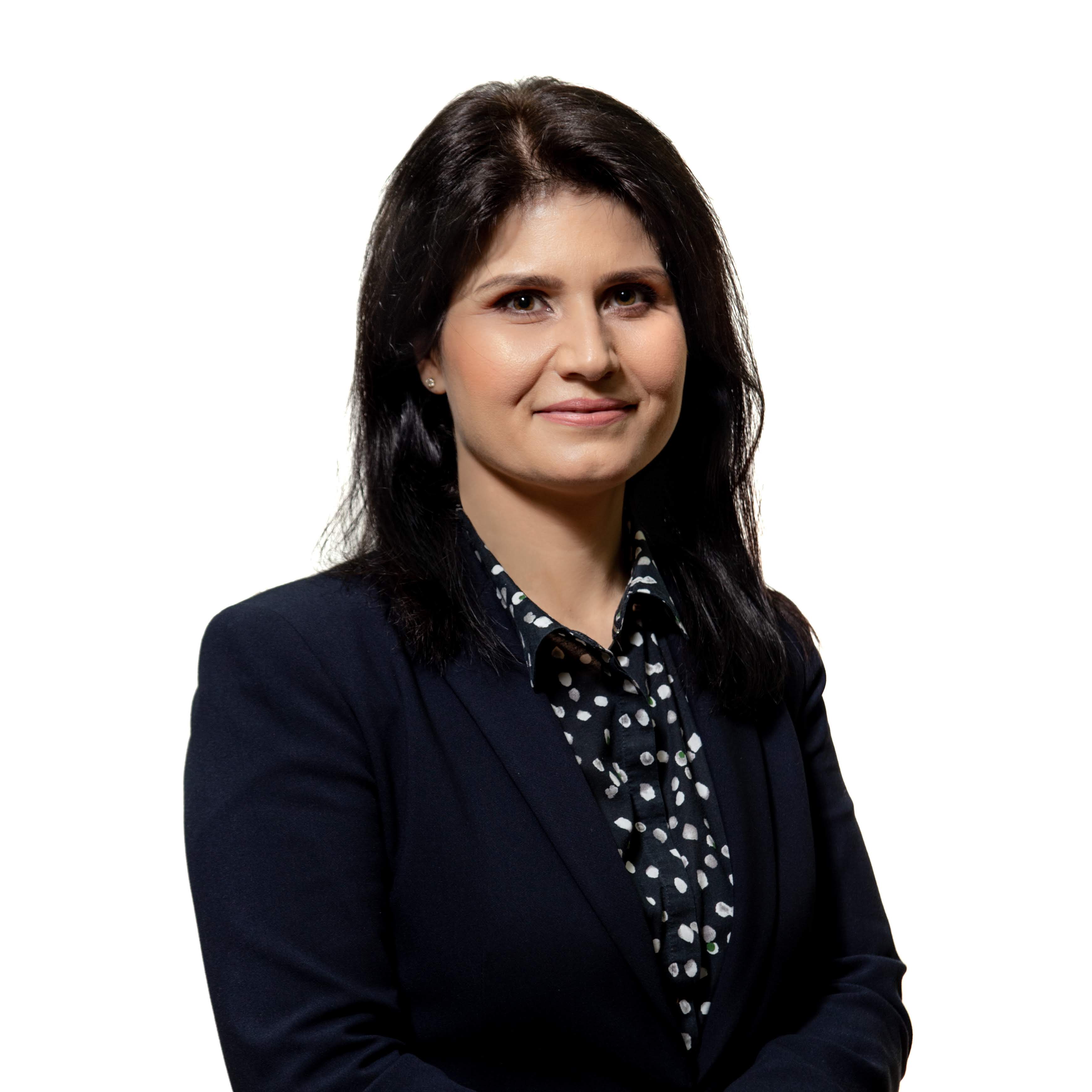 Doinița MIHAI – Vice President of Public Affairs Eastern Europe South, TOMRA mentioned: „TOMRA is a company founded in 1972 that provides technology-based solutions with sensors for waste collection, sorting and recycling. We are considered to be pioneers in the circular economy. TOMRA has invested in 2 business lines and an innovation accelerator. We have TOMRA Sorting Solutions and TOMRA Collecting Solutions. We are also the inventors of that reverse vending equipment, which helps in taking over the waste. SGR is a way in which different parties involved in the producer-consumer-recycler chain organize a single-use or reusable packaging return system using a financial incentive, called a guarantee. , TOMRA celebrates 50 years of activity this month and has solutions, collection infrastructure, complete IT solution for the entire guarantee-return system. TOMRA’s Material Recovery solutions demonstrate value every step of the way. The same complex requirements of the deposit return system that made reverse vending machines a necessity also created a demand for material recovery solutions. That’s where TOMRA comes in. From logistics management to materials processing and marketing, TOMRA’s Material Recovery operations in North America fully integrate the container recycling value chain. Coupling RV technology with an integrated logistics and processing system can provide substantial cost savings when compared with manual operations. Beyond cost savings, it’s also critical that the material quality is maintained throughout the process. Our Material Recovery solutions ensure the highest material values. For example, PET plastics alone average 10 cents more in value when collected and processed through TOMRA’s system.”
PRIA Environment represents the reunion of companies, specialists and authorities involved in environmental protection in Bulgaria. At the PRIA Environment Bulgaria 2022 online conference you benefited from learning about new legislation, high-level analysis and case studies. You had the opportunity to interact with the most important speakers in the field but also to exchange opinions and experience with participants concerned with the same topics as you Examples, case studies, and news were real sources of learning and development for your business.